

History of The Grand Hotel
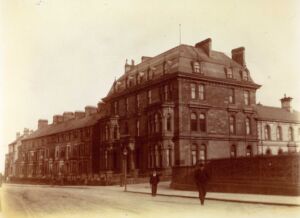
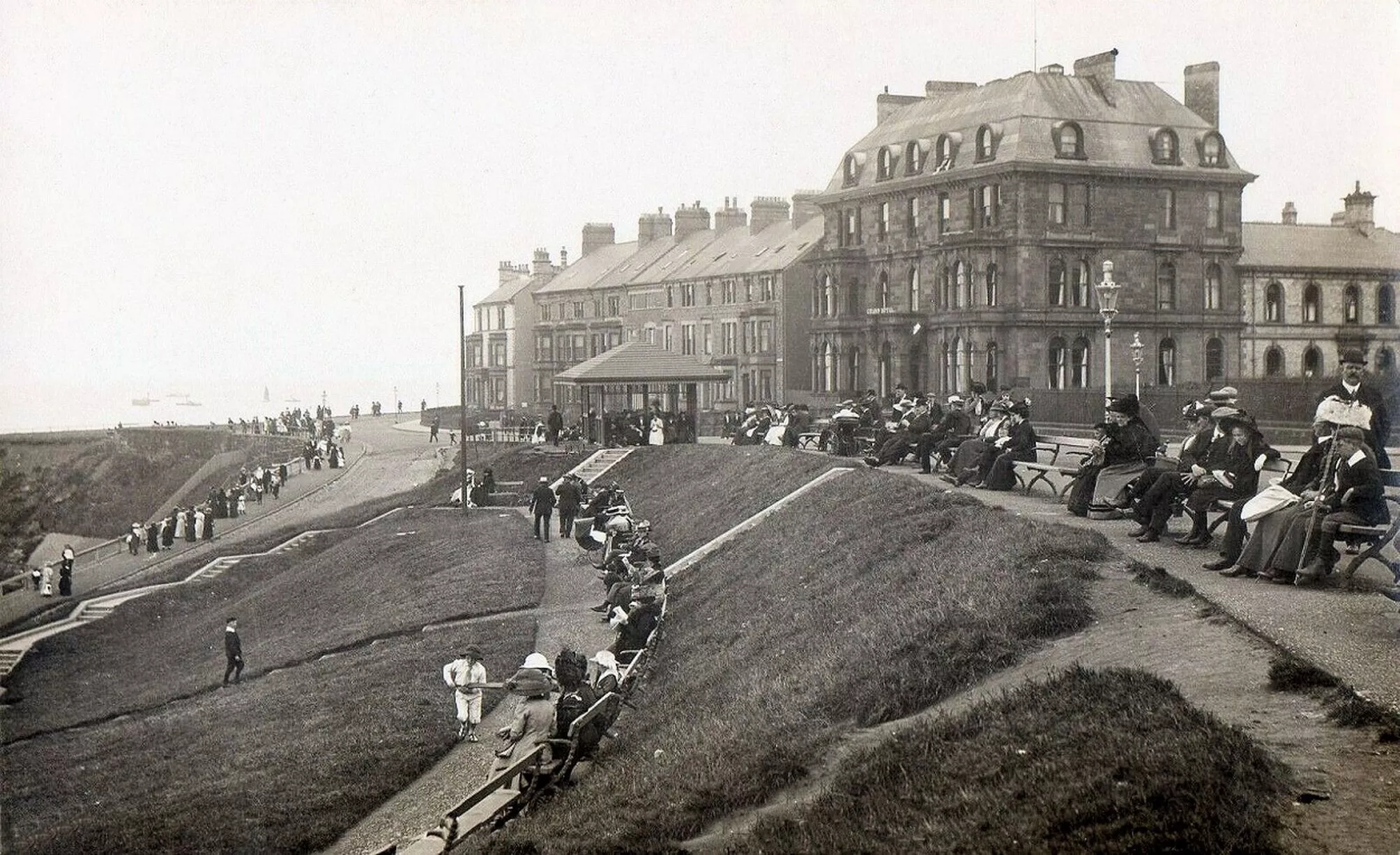
Built in the nineteenth century, the prestigious outline of the Grand Hotel has long been an impressive landmark for all those who cruise up the River Tyne. During its lifetime, the hotel has played host to innumerable colourful characters from the world of stage, cinema, politics, and sport. The hotel has survived two world wars, the 1930s depression, a constant change of ownership and a global pandemic, yet remains proud and majestic.
Owned by the Duke of Northumberland, the building was converted to a hotel in 1877. Throughout its legacy, the Grand Hotel has always been regarded as one of the more luxurious hotels in the area. One of the hotel’s main attractions is the opulent sweeping staircase, reminiscent of the Victorian period when such grand buildings officiated balls for the aristocracy.
Of all its managers, of which there have been quite a selection, the best known was Thomas Tickle, who came to the Grand Hotel in the late 1890s. On one occasion, Tickle was responsible for running both the Grand Hotel and the Bath Hotel in Tynemouth Village. Tickle was a highly respected and liked manager, and it was obvious he enjoyed his job because he died whilst playing billiards in the hotel with one of the locals!
The Victorian period helped make Tynemouth popular, with tourists flocking to this small seaside resort. Tynemouth was, for a time, a spa town. When, in 1912 it was recorded that the death rate in Tynemouth was the lowest in the kingdom because of its spa waters, such news was greeted with an influx of visitors to the local area. Businesses and local hotels thrived; this was the publicity they needed to lure people to visit. Even the Grand saw fit to advertise in the local press as having “28 bedrooms, bathrooms and liveries, hot and cold water and salt supplies”. The latter two words holding the bait. Never had Tynemouth or the Grand Hotel been so busy.
Staff employed at the Grand have always taken great pride in their work. Even at a time when the entrance stairs were often scrubbed twice daily and the woodwork polished until shining. Working 14-hour shifts, sometimes seven days a week, for a mere 4/- a week was not unusual. Frequently, staff were so weary after a shift that they fell into bed out of sheer exhaustion, but it was steady employment with a roof over their heads and guaranteed food in their stomachs at a time when many people were barely making a living.
During the First World War, Tynemouth Village was overrun with young recruits billeted at the barracks, whilst their superiors were accommodated in the Grand Hotel. After a heavy day on duty, the officers indulged in a heavy night of drinking and playing billiards and so when the war ended, and the officers eventually left, the Grand was in such a state of disrepair that it was forced to close and undergo a complete refurbishment. Consequently, the hotel did not re-open to the public until 1922. It took a lot of hard work for the Grand to become re-established and restored to its former glory, with large amounts of money spent on re-decorating and repairing the damage the officers had left behind.
There are few hotels in the North East that can admit to having entertained so many celebrities of screen and stage. It has become quite a regular occurrence for staff to see familiar faces coming down the staircase for breakfast. Such celebrities and public figures as Gabrielle, during her performance at the Mouth of the Tyne Festival, The Hairy Bikers, and even Larry Lamb, the ever-popular Gavin and Stacey actor. The Grand Hotel has also been host to actress and presenter Linda Lusardi for Christmas Day a few years ago.
By the 1950s, the Grand Hotel was beginning to return to its former beauty, with extensive restoration work having taken a great deal of time and money. It was also in the late 1950s the Grand welcomed another new manager, Mr. and Mrs. Bright who moved to the area with their two young daughters from Lagos. Apparently, Mr. Bright was quite a distinguished gentleman towering over 6ft tall whilst his wife, of Welsh descendant and somewhat smaller in stature ruled the roost with a firm hand, a compatible pair feared, yet respected. With each new manager came new ideas on how to attract more customers. It was the Bright’s innovative idea to open the Troll Bar in the basement of the hotel and have it decorated by two Newcastle Art College students which, at the time, was considered very fashionable with live music at weekends.
Times have changed and although the Grand has gone through many changes there are few northern hotels that can proudly announce that they received a glowing entry in the prestigious Egon Ronay’s Good Food Guide, during the early sixties.
For many people the hotel still holds cherished memories with wedding celebrations, anniversaries, reunions, farewells, and secret rendezvous having all been held at the Grand. The hotel has survived decades of change and has been a key factor in placing Tynemouth on the tourism map, attracting tourists from all over the country and from international countries.